What is Cold Chain Logistics? A Complete Guide for Pharma Companies
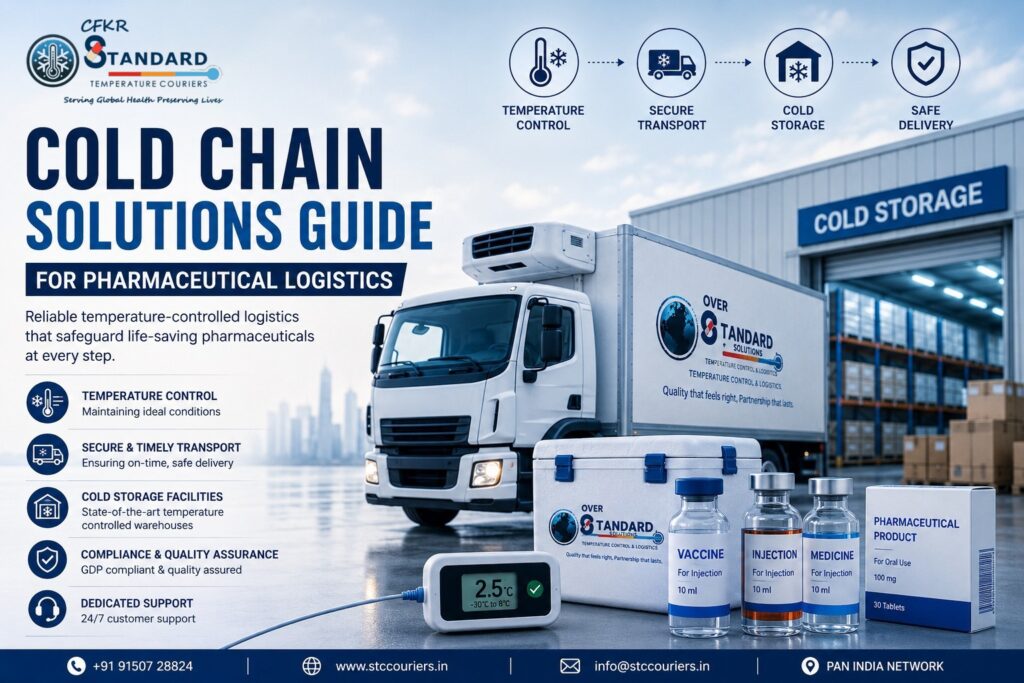
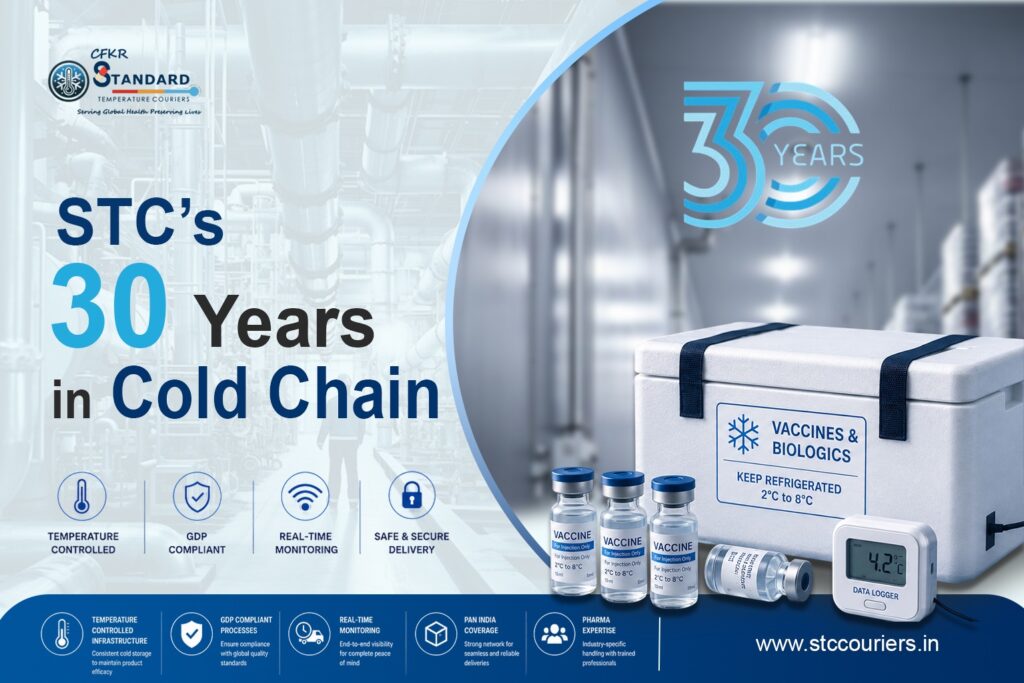
CFKR STC Couriers provides reliable cold chain logistics solutions for pharmaceutical companies, ensuring safe temperature-controlled transportation, product integrity, and regulatory compliance across India.The pharmaceutical industry depends on one critical factor that often goes unnoticed by patients: temperature control. Medicines, vaccines, biologics, insulin, blood samples, and other healthcare products can lose their effectiveness if they are exposed to the wrong temperature during transportation or storage. This is where cold chain logistics becomes essential. In India, the demand for reliable cold chain logistics is growing rapidly as pharmaceutical manufacturing, vaccine distribution, and healthcare infrastructure continue to expand. For pharma companies, maintaining product quality throughout the supply chain is not just a business requirement. It is a regulatory necessity. This guide explains what cold chain logistics is, how it works, why it matters for pharmaceutical companies, and how choosing the right logistics partner can protect product integrity and patient safety. Understanding Cold Chain Logistics Cold chain logistics is a transportation and storage system designed to keep temperature-sensitive products within a specific temperature range from the point of manufacturing to the final destination. Unlike standard logistics, cold chain logistics uses specialized equipment, temperature-controlled vehicles, insulated packaging, refrigerated storage facilities, and continuous monitoring systems to ensure products remain safe throughout the supply chain. For pharmaceutical products, even a small temperature deviation can affect quality, reduce effectiveness, or make products unusable. Common Temperature Ranges in Pharma Logistics Product Type Typical Temperature Range Vaccines 2°C to 8°C Insulin 2°C to 8°C Biologics 2°C to 8°C Blood Products 1°C to 6°C Frozen Medicines -20°C or below Ultra-Low Temperature Products -70°C or below Maintaining these temperatures consistently during transportation is the foundation of a successful cold chain operation. Why Cold Chain Logistics is Important for Pharma Companies Pharmaceutical products are highly sensitive to environmental conditions. Exposure to excessive heat, humidity, or freezing temperatures can damage active ingredients and compromise product effectiveness. Cold chain logistics helps pharmaceutical companies: Maintain product quality from manufacturing to delivery. Meet regulatory requirements and compliance standards. Reduce product loss due to temperature excursions. Protect patient safety and treatment outcomes. Improve supply chain visibility and control. Support nationwide distribution of temperature-sensitive medicines. For pharma manufacturers, distributors, hospitals, and healthcare providers, a strong cold chain system is not optional. It is a critical part of delivering safe healthcare products. How Cold Chain Logistics Works Cold chain logistics involves several interconnected stages. Every stage must maintain the required temperature range. The process begins at the manufacturing facility where products are packed in temperature-controlled conditions. These products are then stored in refrigerated warehouses before being loaded into temperature-controlled vehicles. During transportation, temperature monitoring devices continuously record conditions inside the shipment. Upon arrival, products are transferred to cold storage facilities or delivered directly to hospitals, pharmacies, clinics, or distributors. The entire process depends on maintaining an uninterrupted temperature-controlled environment known as the cold chain. Cold Chain Logistics vs Traditional Logistics Many people assume all logistics operations are similar. However, pharmaceutical cold chain logistics requires significantly higher standards. Factor Traditional Logistics Cold Chain Logistics Temperature Control Not Required Essential Product Sensitivity Low High Monitoring Systems Limited Continuous Compliance Requirements Standard Strict Risk of Product Damage Moderate Very High Specialized Vehicles Not Required Required This comparison highlights why pharmaceutical products require dedicated cold chain solutions instead of conventional transportation methods. Challenges in Cold Chain Logistics India The cold chain logistics sector in India has made significant progress, but challenges still exist. Long transportation distances can make temperature maintenance difficult, especially when shipments move between different climate zones. High summer temperatures in many parts of India increase the risk of temperature fluctuations during transit. Infrastructure limitations in remote regions can create storage and transportation challenges. Power outages, traffic congestion, and supply chain disruptions can also impact temperature-sensitive shipments. Another challenge is maintaining complete visibility throughout the supply chain. Without real-time monitoring, temperature deviations may go unnoticed until products reach their destination. This is why pharmaceutical companies increasingly rely on specialized cold chain logistics providers with advanced monitoring systems and validated transportation processes. Key Components of an Effective Pharma Cold Chain A successful pharmaceutical cold chain depends on several important elements working together. Temperature-Controlled Storage Cold storage facilities maintain the required temperature range before and after transportation. These facilities are equipped with backup power systems, monitoring equipment, and compliance controls. Refrigerated Transportation Specialized vehicles are designed to maintain consistent temperatures throughout transit. These vehicles are regularly validated to ensure reliable performance. Real-Time Monitoring Temperature tracking devices provide continuous visibility during transportation. Alerts can be generated immediately if temperatures move outside approved limits. Qualified Packaging Insulated packaging materials help protect products during handling and transit. Packaging solutions are selected based on shipment duration and temperature requirements. Documentation and Compliance Accurate records are essential for regulatory compliance. Temperature logs, transportation records, and validation reports help demonstrate product integrity. The Growing Demand for Cold Chain Logistics India India is one of the world’s largest pharmaceutical manufacturing hubs. The country exports medicines and healthcare products to more than 200 countries. At the same time, domestic demand for vaccines, specialty medicines, biologics, and healthcare products continues to increase. Several factors are driving growth in cold chain logistics India: The expansion of pharmaceutical manufacturing. Growing vaccine production and distribution. Increasing demand for biologics and specialty drugs. Rising healthcare investments. Stronger regulatory requirements. Growth of e-commerce healthcare deliveries. As pharmaceutical supply chains become more complex, the need for reliable cold chain transportation and storage solutions will continue to grow. Regulatory Requirements in Pharmaceutical Cold Chain Logistics Pharmaceutical companies must comply with strict regulations to ensure product safety. Good Distribution Practices (GDP) require temperature-sensitive products to be transported and stored under controlled conditions. Regulatory authorities expect companies to maintain detailed records demonstrating product integrity throughout the supply chain. Key compliance requirements typically include: Temperature monitoring throughout transportation. Validated transportation processes. Documented standard operating procedures. Qualified storage facilities. Employee training programs. Corrective action processes for temperature deviations. Failure to comply with these requirements can result in product recalls, financial losses, and regulatory